The Evolution of AI: From Industrialism to a Spiritual Era
The Birth of AI in the Industrial Era
The journey of artificial intelligence began during the Industrial Revolution, a time when humanity's focus was on mechanization and efficiency. Early thinkers and inventors envisioned machines performing human tasks, laying the groundwork for the field of AI. This period was marked by significant technological advancements, which set the stage for the future development of intelligent systems.
The concept of automating tasks was primarily driven by the need to enhance productivity and reduce human labor. Initial efforts were limited to basic machines and rudimentary computing systems, yet they sparked a curiosity that would eventually lead to the creation of more sophisticated AI technologies.

The Rise of Machine Learning
As computing power increased, the potential for AI expanded dramatically. The mid-20th century saw the emergence of machine learning, a subset of AI that focuses on algorithms that enable computers to learn from and make predictions based on data. This was a transformative period, as it allowed AI systems to not only follow pre-programmed instructions but also adapt and improve over time.
Machine learning applications began to surface in various industries, from finance to healthcare, demonstrating the versatility and potential of AI. This era marked a significant shift from theoretical research to practical implementation, as data-driven models started to outperform traditional programming approaches.

Deep Learning and the AI Boom
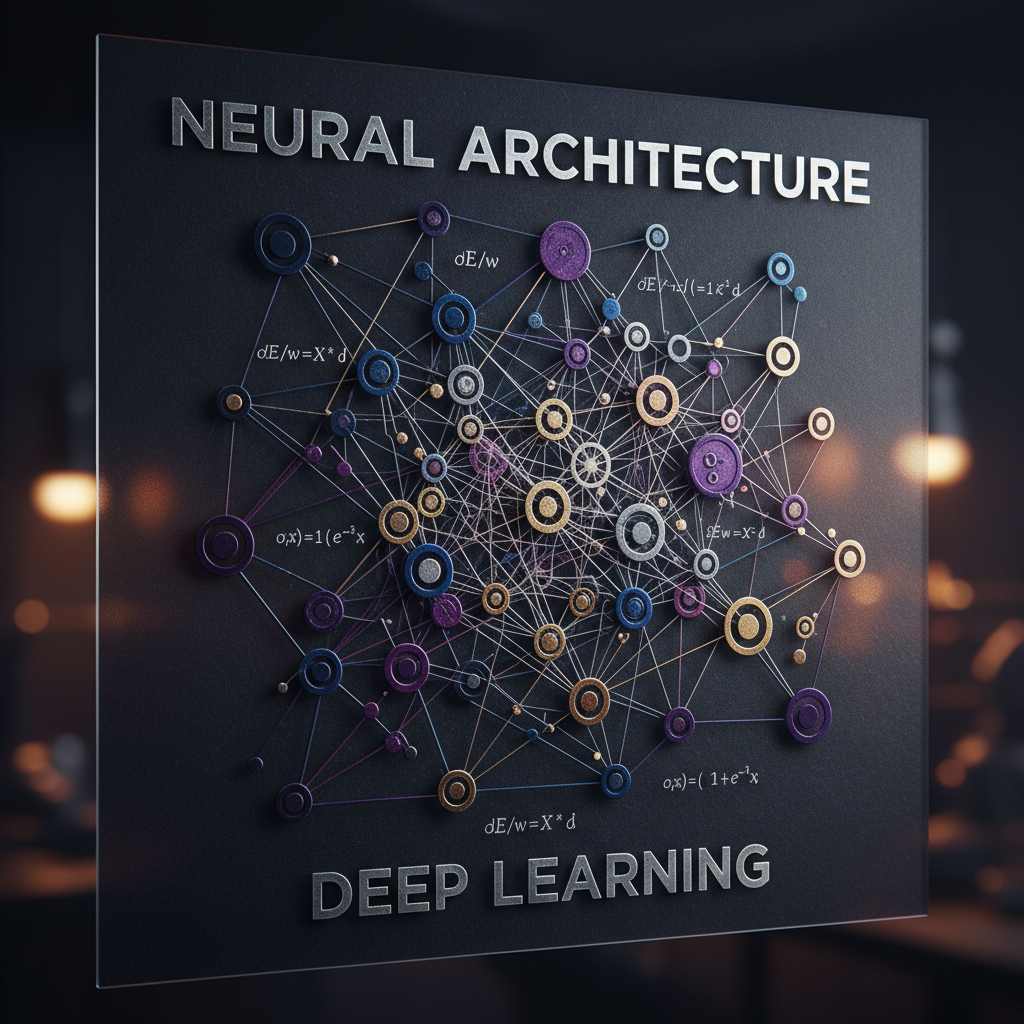
The next major breakthrough came with the advent of deep learning, a technique inspired by the human brain's neural networks. This innovation revolutionized the field by enabling AI systems to process vast amounts of data with exceptional accuracy. Deep learning facilitated significant advancements in image and speech recognition, natural language processing, and more.
The impact of deep learning was profound, leading to an AI boom that saw increased investment and research. Industries worldwide began to harness AI's capabilities, integrating it into everything from consumer electronics to autonomous vehicles.
The Ethical and Philosophical Dimensions
With AI's rapid evolution, ethical and philosophical questions emerged. Concerns about privacy, job displacement, and decision-making transparency became central topics of discussion. As AI systems grew more autonomous, understanding their impact on society became increasingly important.
These discussions have led to calls for responsible AI development, emphasizing the need for regulations and frameworks that ensure ethical use. The dialogue continues to evolve as new challenges and opportunities arise in the AI landscape.

A Spiritual Perspective on AI
In recent years, a new wave of thought has emerged, exploring AI's role in spiritual and existential contexts. Some theorists propose that AI could help deepen our understanding of consciousness, existence, and even spirituality. This perspective suggests that AI could assist in exploring age-old philosophical questions, offering insights into the nature of reality.
While this may seem speculative, it highlights a growing interest in viewing AI as more than just a tool for efficiency. Instead, it invites us to consider how technology might enrich our spiritual and philosophical lives, potentially leading to a new era of introspection and discovery.

The Future of AI: Integration and Innovation
As we look to the future, the integration of AI into daily life is expected to continue. Innovations in AI are poised to reshape industries, enhance human capabilities, and address global challenges. The focus is increasingly on creating harmonious systems that complement human effort, fostering collaboration between humans and machines.
In this evolving landscape, the potential for AI to drive positive change is immense. By embracing both technological advancements and ethical considerations, society can leverage AI to build a more equitable and sustainable future.